
Zinc Plating Bath Formulation
USD $65
PDF manual · Instant downloadZinc Plating Bath Formulation: a PDF guide to zinc electroplating baths, covering chemistry, additives, operation, pre-treatment, quality control and troubleshooting.
Payment Methods
Refund Policy
Custom Formulation Services
Formulation Consultation
Contact Us
Zinc Plating Bath Formulation is a practical PDF guide for electroplating workshops, metal finishers and entrepreneurs who want a clear, easy-to-start solution for setting up a professional zinc electroplating operation. Zinc plating is one of the most widely used ways to protect steel from rusting. A thin layer of zinc is deposited on the surface of a part by passing electric current through a chemical bath, and the zinc then protects the steel underneath, both as a barrier and by corroding first. The finish is used on fasteners, brackets, hardware, automotive components, electrical fittings and countless everyday parts. This page explains how a sound zinc plating bath formula works, what the guide covers and how to judge whether it fits your business.
This guide is published by Chemical Formulation Services, the formulation publishing and consultancy business of CFS Formulation Services Ltd in Sheffield, United Kingdom. It is written for people who want to understand the product from the raw material to the finished pack, and it keeps its claims practical rather than promotional.
At a glance
- Product: Zinc Plating Bath Formulation, a digital PDF Product Making Guide.
- Also searched as: zinc plating bath formula, zinc electroplating solution, alkaline zinc plating, acid zinc plating, galvanising bath.
- What it covers: bath chemistry, additives, operating conditions, pre-treatment, post-treatment and troubleshooting for zinc electroplating.
- Key goals: bright, uniform, corrosion-resistant deposits for decorative and functional uses.
- Who it is for: electroplating shops, metal finishers and entrepreneurs entering surface finishing.
- Delivery: instant PDF download after payment is confirmed.
- Publisher: CFS Formulation Services Ltd, England and Wales company number 16678503.
Why zinc plating is so common
Steel is strong, cheap and easy to shape, but it rusts. Zinc plating is one of the cheapest and most effective ways to slow that process. The zinc layer protects steel in two ways. First, it acts as a barrier that keeps moisture and oxygen away from the steel surface. Second, if the coating is scratched, zinc is more reactive than steel and corrodes in its place, so the exposed steel is still protected for a time. This is called sacrificial protection, and it is what makes zinc coatings so durable in practice.
After plating, parts are usually given a conversion coating, often called a chromate or passivate. This thin film boosts corrosion resistance and can add colour, such as clear or blue bright, yellow, olive or black. Sealers and top coats can improve performance further. The result is a finish that is economical, adaptable and trusted by engineers around the world, and zinc plating shops serve almost every manufacturing sector.
How zinc electroplating works
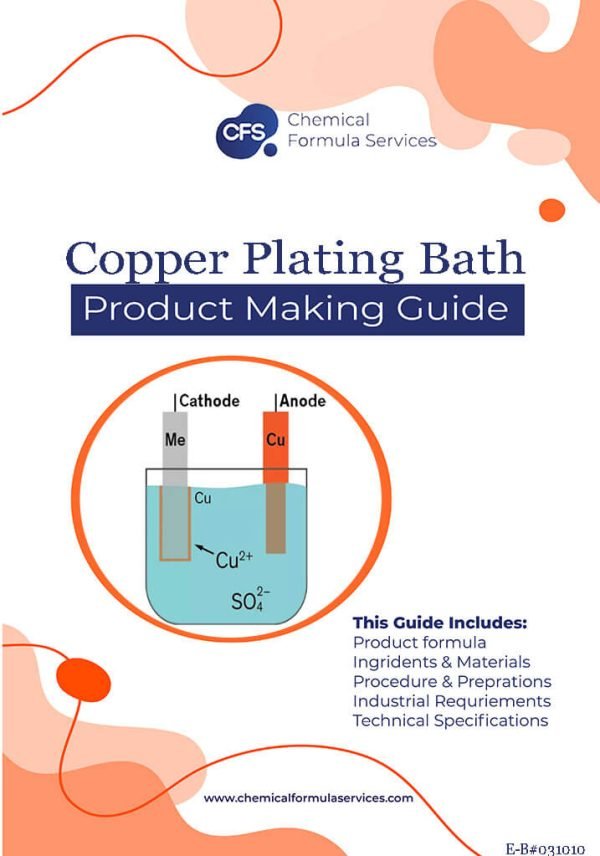
In electroplating, the part to be coated is connected as the cathode, the negative electrode, in a tank of electrolyte that contains dissolved zinc. Zinc anodes or a zinc source are connected to the positive side. When direct current is applied, zinc ions in the solution are reduced to zinc metal at the surface of the part, building up a coating whose thickness depends on current density and time. At the anode, zinc dissolves, replenishing the bath, or the zinc is added in another form depending on the bath type.
Several details decide the quality of the deposit: the composition and temperature of the bath, the current density, the cleanliness of the parts, the way the parts are racked or barrelled, and the additives that control the grain structure of the zinc. A good bath gives a fine-grained, bright, even deposit that adheres well, covers recesses reasonably and resists corrosion.
Main types of zinc plating baths
The guide explains the main bath families and how they differ, so you can choose a system that suits your products and your market.
Alkaline non-cyanide zinc
This is now the most widely used bath type in many regions. Zinc is dissolved in a strong alkaline solution and complexed so that it plates evenly. These baths have good throwing power, which means they deposit zinc evenly even in recesses, and they work well on a wide range of shapes. They need carefully chosen organic additives to give brightness and to keep the deposit smooth.
Acid chloride zinc
These baths use a slightly acidic chloride solution and give bright, ductile deposits with high plating efficiency and fast plating speeds. They are popular for barrel and rack plating of small parts, but they need good protection of the equipment against corrosion, and rinsing and wastewater handling require care.
Cyanide zinc baths
Older cyanide baths gave excellent quality, but they use highly toxic chemicals and require strict controls and permits. Many countries restrict them, and most new shops avoid them. The guide focuses on modern approaches that avoid the hazards of cyanide.
Sulphate and other baths
Acid sulphate baths are used for simple shapes such as wire and strip at high speed, and a few special baths serve niche uses. Each has strengths and limits, and the guide places them in context.
The building blocks of a zinc plating bath formula
The guide sets out the exact components, concentrations and operating windows. The groups below summarise what each does.
Zinc source
Zinc may be supplied by zinc anodes, zinc oxide, zinc chloride or other salts, depending on the bath. The zinc concentration controls plating speed and deposit quality, and it must be monitored and kept within its range.
Electrolyte and conductivity salts
Alkalis, chlorides, sulphates and other salts give the bath its conductivity and the right acidity or alkalinity. They also influence the efficiency of the process and the behaviour of the anodes.
Brighteners, carriers and levellers
Organic additives are what turn a dull, coarse zinc deposit into a bright, fine-grained one. Carriers help dissolve and spread the additives, brighteners give the shine, and levellers smooth the surface. They are used in small quantities, and they break down during use, so they must be topped up regularly according to the amount of plating done.
Buffers, wetting agents and complexing agents
Buffers hold the bath in its working range. Wetting agents lower surface tension and reduce pitting, and complexing agents keep metals dissolved and deposits uniform.
Water quality
Clean, low-mineral water is important. Metal impurities, such as lead, copper, iron, cadmium or chromium, can damage deposits even at low levels, and organic contamination from oils can cause dull or patchy plating.
Pre-treatment and post-treatment
Plating quality depends heavily on what happens before and after the bath. Parts are cleaned to remove oil and grease, then pickled in acid to remove rust and scale, and rinsed between steps. Any remaining soil causes poor adhesion, blisters and patchy deposits. After plating, parts are rinsed, treated with a passivate, rinsed again and dried. Hydrogen embrittlement is a risk for high-strength steels, because hydrogen can enter the metal during cleaning and plating, so baking after plating may be required for certain parts. The guide discusses these steps because most plating problems begin outside the plating tank.
What is inside the Zinc Plating Bath Formulation guide
The guide is a technical formulation data sheet that covers the bath formulation, raw materials, operating conditions and processing techniques for zinc plating. It explains how to make up the bath, how to run it, how to analyse and maintain it, how to treat parts before and after plating, and how to deal with common problems. It also covers equipment, effluent and safety, and gives advice for people starting a plating business.
How a zinc plating line runs
The full method is in the guide. The outline below shows how the line works.
Step 1: Make up the bath
The tank is filled with clean water, and the chemicals are dissolved in the correct order. The bath is filtered, adjusted and tested with a test panel before production.
Step 2: Prepare the parts
Parts are degreased, rinsed, pickled, rinsed and, where needed, electro-cleaned and activated, so the surface is clean and active when it enters the plating tank.
Step 3: Plate
Parts are racked or tumbled in barrels and plated at the correct current density, temperature and time to reach the required thickness.
Step 4: Rinse and passivate
Parts are rinsed, treated with a passivate to give colour and extra corrosion resistance, rinsed and dried.
Step 5: Inspect and bake if needed
Thickness, appearance and adhesion are checked, and parts that need hydrogen embrittlement relief are baked in an oven soon after plating.
Equipment and plant requirements
A plating shop needs tanks made of materials resistant to the chemicals used, a rectifier to supply direct current, anodes and bus bars, racks or barrels, heating and cooling, filtration, extraction and ventilation, rinse tanks, a passivation line, a dryer and a laboratory for bath analysis. Wastewater treatment and sludge handling are essential, because plating wastes contain metals. Small shops often begin with a few tanks and a manual line, then add barrels and automation as volumes rise.
Quality control for every batch
- Bath analysis: regular checks of zinc, alkali or acid, chloride and additive levels, and of impurities.
- Hull cell tests: small test panels that show how the bath plates across a range of current densities.
- Thickness: measured with an X-ray or magnetic gauge to meet the specification.
- Appearance: brightness, uniformity and colour after passivation.
- Adhesion: bend or other tests to check for blistering or flaking.
- Corrosion resistance: neutral salt spray tests to the customer’s standard.
- Records: bath additions, test results and part batches for traceability.
Troubleshooting zinc plating
Burnt or rough deposits at edges
Current density may be too high, zinc concentration too low or additive balance wrong. Lower the current, analyse the bath and adjust.
Dull or cloudy deposits
Often caused by low brightener, metal or organic contamination, wrong temperature or poor cleaning. Treat the bath, adjust additives and check pre-treatment.
Blistering or poor adhesion
This usually points to poor cleaning, inadequate activation or contamination in the bath. Improve the pre-treatment cycle.
Pitting
Low wetting agent, organic contamination or particles in the bath can cause pitting. Filter the bath and check additives.
Poor coverage in recesses
Review bath type, zinc-to-alkali ratio, current distribution and rack design.
Poor corrosion resistance
Check thickness, passivate condition and rinsing, and ensure parts are dried properly.
Hydrogen embrittlement failures
Use appropriate cleaning methods for high-strength parts, limit exposure to hydrogen-producing steps and bake after plating as required.
Safety, environment and regulation
Electroplating involves corrosive acids and alkalis, electrical equipment and metal-bearing wastes. Workers need protective equipment, safe handling procedures, good ventilation and training. Wastewater and sludge contain heavy metals and must be treated and disposed of in line with environmental permits. Chromate passivates are tightly regulated in many countries, and trivalent systems are increasingly required. Check the licensing, safety, environmental and product restrictions in your area, such as rules on hazardous substances in products. You remain responsible for meeting all safety and legal requirements, and a qualified person should review your process before commercial production.
The business opportunity in zinc plating
Almost every manufacturer of metal products needs corrosion protection, so zinc plating has a broad and steady customer base. Automotive suppliers, hardware and fastener makers, electrical equipment manufacturers, furniture makers, construction suppliers and general engineering firms all outsource plating. A job-shop can serve local manufacturers with quick turnaround and consistent quality, while a bath supplier can sell chemicals, additives and technical support. Success depends on quality control, reliable delivery and good environmental management.
Plating sits alongside other metal finishing activities. Our related guides include Decorative Chromium Plating Formulation, Gold Electroplating & Polishing Formula, Nickel Chrome Polish Formulations, Chrome Polish Formula, Red Oxide Metal Primer Formula, Hydrochrome Paint Formulation, Universal Liquid Metal Polish Formula and Metal Buffing Bar Compound Formulation. Browse the Electroplating Formula and Metal Treatment categories for more.
Starting a zinc plating business
Begin with a clear plan for your products, volumes, bath type and environmental compliance. Start with a small, well-controlled line, learn to control the bath with regular analysis and test panels, and build records for every job. The Zinc Plating Bath Formulation guide provides the technical foundation, so you can focus on quality, customers and compliance.
How to get the best results from this guide
Treat the guide as a tested starting point rather than a finished factory. Begin with a small trial batch in the laboratory or on a bench, using the exact raw materials you plan to buy, and record every weight, temperature, mixing time and observation. Compare the result with the quality checks in the guide, change only one thing at a time, and keep a note of what each change did. Once a small batch is consistently good, repeat it several times, then scale up in stages, because mixing, heating and cooling behave differently in larger vessels. Keep retained samples of every batch, write simple standard operating procedures for your team, and build relationships with two suppliers for each key raw material. Finally, check the labelling, safety and product rules in the country where you will sell, and ask a qualified person to review your process. This careful, documented approach is what turns a good formulation into a reliable product and a trusted brand.
Who should buy this guide?
The guide is written for practical readers. It suits manufacturers who want to add a new product to an existing plant, startups choosing their first product, private-label brands that need to understand what they are buying, technical staff who must set specifications and train operators, and consultants and students who want a structured, plain-language reference. It is less suitable for anyone looking for a quick shortcut or a guarantee, because every formulation still needs testing with your own materials, equipment and local rules. If you are unsure whether it matches your project, send a short question through the contact page before you order, and we will tell you honestly whether it fits.
What is inside the Zinc Plating Bath Formulation guide
Every Product Making Guide in our shop follows the same structure so you know where to look. This guide includes the product formula, the ingredients and materials, the procedure and preparations, the industrial requirements and the technical specifications. In practice you receive:
- The formulation, written so you can follow it at the bench and scale it up.
- Ingredients and materials, with the job of each material and advice on grades and suppliers.
- The manufacturing procedure, including order of addition, mixing and preparations.
- Industrial requirements, covering equipment, space and packaging.
- Technical specifications, describing what a good finished product should look like and how it should behave.
- Troubleshooting for the faults that makers meet most often.
- Business guidance, to help you take the product from the bench to the market.
These Product Making Guides of chemical formulations and formulas are for manufacturers, startups and entrepreneurs. Every guide contains industrially tested, practical formulations. Anyone who buys a guide can make the product by following its step-by-step instructions. Raw materials vary between suppliers, so always confirm your results with a small trial batch before scaling up.
Who stands behind this guide?
Chemical Formulation Services is the trading name of CFS Formulation Services Ltd, registered in England and Wales under company number 16678503, with its office at Unit F, Winston Business Park, Churchill Way, Sheffield S35 2PS. The business was founded by George Enrick and publishes formulation manuals, technical guides and industry reports. You can check our details on the Companies House register, read about us, or contact us with any question before you order.
A written formulation cannot replace testing with your own raw materials, equipment and climate, and we say so plainly. What the guide does give you is a tested, structured starting point that can save you months of trial and error. Our terms and conditions explain what a purchase from us covers.
How to order
- Select Add to cart to keep browsing, or Buy Now to go straight to checkout.
- Pay with PayPal, Stripe, Xoom by PayPal, Payoneer, payment links for debit and credit cards, or Western Union, Ria and all money exchanges.
- If you pay through a money exchange, email your payment slip to Info@chemicalformulationservices.com. After confirmation, your instant download link is emailed to you.
- For online payments, the PDF is available as soon as the payment is confirmed.
All products are digital downloads and all payments are nonrefundable once the file is delivered, so please read the refund policy and the FAQs before you order. You can compare this guide with others in the formula shop or browse our industrial project reports.
Frequently asked questions about zinc plating bath formulation
What is the Zinc Plating Bath Formulation guide?
It is a digital PDF Product Making Guide covering zinc electroplating bath chemistry, additives, operating conditions, pre- and post-treatment, troubleshooting and business guidance.
How does zinc plating protect steel?
Zinc forms a barrier against moisture and oxygen, and it also corrodes in preference to steel if the coating is scratched, which is called sacrificial protection.
Why are cyanide baths avoided today?
Cyanide is highly toxic and strictly regulated, so most shops use alkaline non-cyanide or acid chloride baths that give excellent results with fewer hazards.
What is a Hull cell test?
It is a small test cell that plates a panel across a range of current densities, showing how the bath behaves and which additives need adjusting.
What is hydrogen embrittlement?
It is a loss of ductility caused by hydrogen entering high-strength steel during cleaning and plating. Parts at risk are baked after plating to release the hydrogen.
How do I receive the guide?
You receive an instant PDF download after payment is confirmed. For money exchanges, email your payment slip to Info@chemicalformulationservices.com and the link is emailed after we confirm it.
Is the payment refundable?
All payments are nonrefundable because the product is an instant digital download. See the refund policy for details.
Can you help with a custom formulation?
CFS Formulation Services Ltd offers formulation and product development consultancy. Send a short brief through the Contact page.
Last reviewed: November 2026. This page is general information about a digital product. It is not a safety data sheet or professional advice, and any formulation should be tested and reviewed by a qualified person before commercial use.