Polyurethane Elastomer Resin Formulation
$ 90
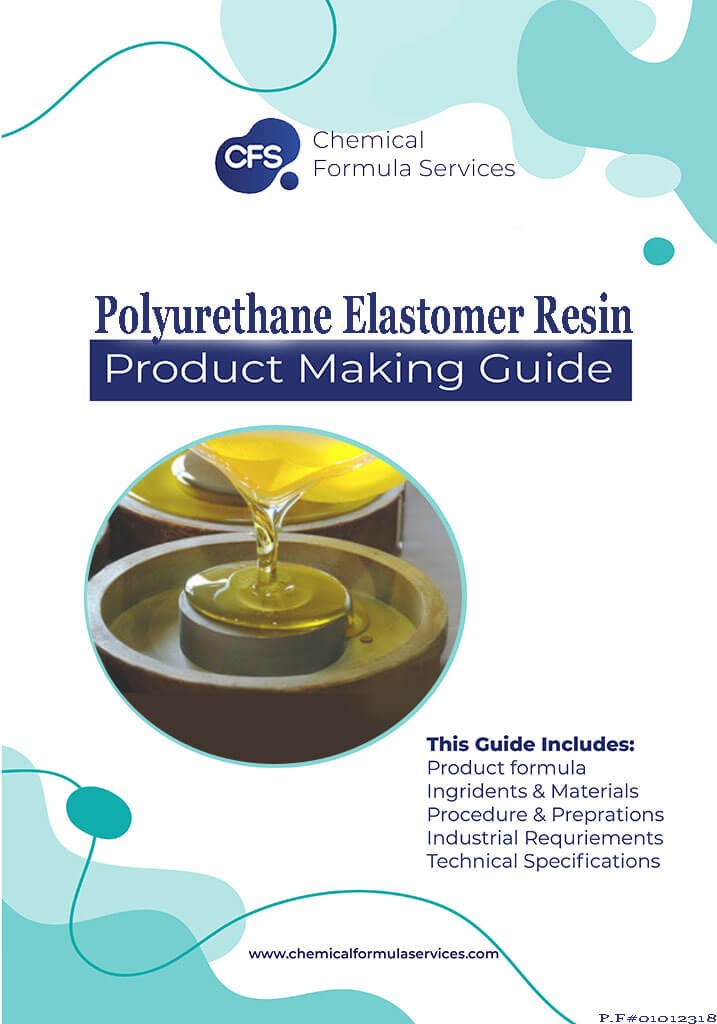
Polyurethane elastomer resin is a highly versatile material within the polyurethane family. Manufacturers classify it as a synthetic polymer known for outstanding elasticity, durability, and mechanical strength. Industries choose polyurethane elastomer resins when applications demand flexibility, abrasion resistance, impact resistance, and high tear strength.
Because formulators can precisely control its chemistry, polyurethane elastomer resin adapts easily to a wide range of performance requirements.
Key Characteristics of Polyurethane Elastomer Resin
Elasticity
Polyurethane elastomers stretch easily and recover their original shape after deformation. This property makes them ideal for dynamic and load-bearing applications.
Durability
These resins resist abrasion, tearing, and impact exceptionally well. As a result, they perform reliably in harsh and demanding environments.
Chemical Resistance
Polyurethane elastomer resins resist oils, greases, fuels, and many industrial chemicals. This resistance extends product service life.
Weather Resistance
The material withstands sunlight, moisture, and temperature variation. Properly stabilized formulations maintain performance outdoors.
Wide Hardness Range
Formulators can adjust hardness from very soft and flexible grades to hard, rigid elastomers. This flexibility allows precise property customization.
Applications of Polyurethane Elastomer Resin
Automotive Industry
Manufacturers use polyurethane elastomers for bushings, seals, gaskets, suspension components, and vibration-damping parts. These materials deliver excellent wear resistance and long service life.
Industrial Equipment
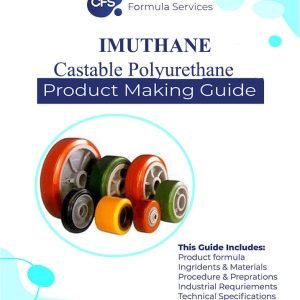
The resin serves in rollers, gears, couplings, conveyor components, and wear liners. It provides strong resistance to impact, chemicals, and mechanical stress.
Footwear
Shoe manufacturers rely on polyurethane elastomers for soles and midsoles. The material offers cushioning, flexibility, and long-term durability.
Sports and Recreation
Producers use this resin in skateboard wheels, roller skate wheels, protective padding, and sports footwear. The material combines resilience with abrasion resistance.
Seals and Gaskets
Polyurethane elastomers perform well in seals, O-rings, and gaskets. Their elasticity and chemical resistance ensure reliable sealing.
Medical Applications
Medical manufacturers use polyurethane elastomers for catheters, tubing, and prosthetic components. The material provides flexibility and biocompatibility when properly formulated.
Consumer Products
Many consumer goods include polyurethane elastomers, such as electronic housings, furniture padding, flexible coatings, and tool handles. These products benefit from comfort and durability.
How Polyurethane Elastomer Resin Is Made
Manufacturers process polyurethane elastomer resins using casting, injection molding, or extrusion, depending on the final product design and application. Each method allows control over shape, thickness, and mechanical performance.
Successful production requires accurate raw material ratios, controlled temperatures, and proper mixing to achieve consistent properties.
Safety and Handling Considerations
Operators must follow strict safety practices when working with polyurethane elastomer resins. They should wear appropriate protective equipment, ensure proper ventilation, and follow manufacturer guidelines for storage, handling, and disposal. These measures protect both personnel and product quality.