Hospital Disinfectant Liquid Formula
USD $60
PDF manual · Instant downloadPayment Methods
Refund Policy
Custom Formulation Services
Formulation Consultation
Contact Us
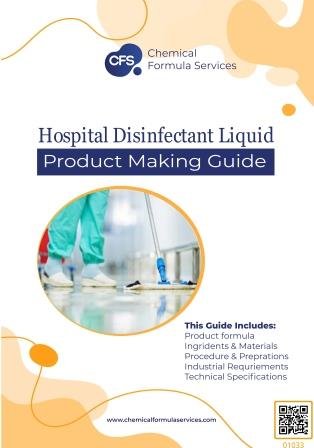
A hospital disinfectant liquid is a specialized cleaning product designed to effectively kill or inactivate a wide range of pathogens and microorganisms commonly found in healthcare settings. These disinfectants are formulated to meet strict regulatory requirements and provide a high level of efficacy in reducing the risk of healthcare-associated infections. Here’s some information on hospital disinfectant liquids and their usage:
Types of Hospital Disinfectant Liquids:
- Quaternary Ammonium Compounds (Quats): These disinfectants are commonly used in healthcare facilities. They are effective against a broad spectrum of bacteria, viruses, and fungi.
- Hydrogen Peroxide-based Disinfectants: These disinfectants utilize hydrogen peroxide as the active ingredient. They can be effective against a wide range of pathogens and offer additional benefits such as low toxicity and rapid action.
- Sodium Hypochlorite (Bleach) Solutions: These solutions contain sodium hypochlorite as the active ingredient and are known for their strong disinfection properties. They are effective against many pathogens but can cause corrosion and have strong odor and potential material compatibility issues.
Choosing the Right Hospital Disinfectant Liquid:
- Consider the specific requirements of your healthcare facility, such as the types of pathogens typically present, surface compatibility, and user safety.
- Look for disinfectants that are registered or approved by relevant regulatory bodies, such as the Environmental Protection Agency (EPA) in the United States.
- Select a product with proven efficacy against a broad spectrum of pathogens and that meets the specific disinfection requirements of your facility.
How to Use Hospital Disinfectant Liquid:
- Follow the manufacturer’s instructions and guidelines for dilution ratios, contact time, and application methods.
- Wear appropriate personal protective equipment (PPE), such as gloves and eye protection, as recommended by the product label.
- Apply the disinfectant liquid to surfaces using spray bottles, wipes, or mops, ensuring complete coverage.
- Allow the recommended contact time for the disinfectant to work effectively.
- Ensure proper ventilation in the area while using the disinfectant.
- After the contact time, rinse the surfaces, if required, as some disinfectants may require rinsing to remove residues.
- Dispose of the disinfectant solution and any used materials according to local regulations.
Precautions and Safety:
- Adhere to safety guidelines and precautions mentioned on the product label and safety data sheets (SDS).
- Ensure proper storage of the disinfectant liquid in a secure area, away from children and incompatible substances.
- Train and educate staff members on the proper use of hospital disinfectant liquids, including handling, dilution, and disposal procedures.
The disinfectant cleaner for hospitals cleans very effectively because it disinfects the hospitals and clinics. This efficient product reduces the risk of bacteria and healthcare-associated infections. The hospital disinfectant also balances the surface compatibility. The anti-bacterial formula is easy to use in hospitals and health care centers. It is safe for the patients and keeps the atmosphere clean and germ-free