Ship Bottom Paint Formula
USD $80
PDF manual · Instant downloadPayment Methods
Refund Policy
Custom Formulation Services
Formulation Consultation
Contact Us
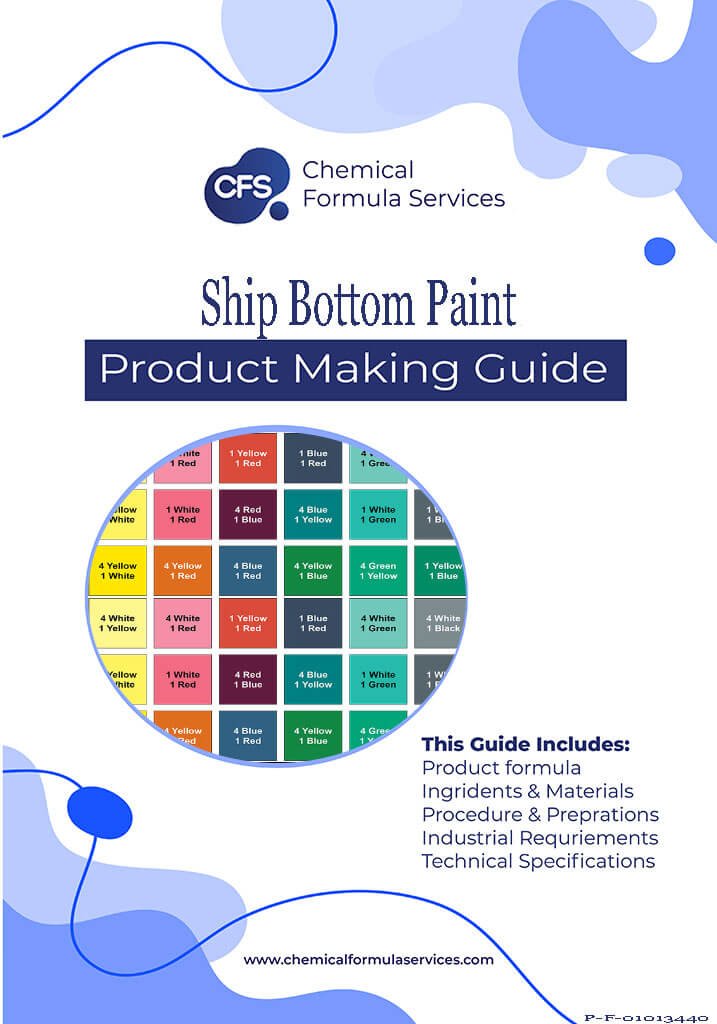
Ship Bottom Paint Formula , also known as antifouling paint or hull paint, is a specialized type of paint used on the underwater hull of ships and boats to prevent the growth of marine organisms, such as algae, barnacles, and mollusks. These organisms can attach themselves to the hull, creating drag and reducing the vessel’s performance and fuel efficiency. Additionally, their presence can lead to corrosion and damage to the hull over time.
Key characteristics of ship bottom paint
- Biocides: Ship Bottom Paint Formula contains biocides or antifouling agents that deter the growth of marine organisms. Common biocides used in antifouling paint include copper, zinc, and organic compounds like tributyltin (TBT). These substances leach slowly from the paint, creating a toxic environment for fouling organisms.
- Longevity: Ship Bottom Paint Formula is designed to be durable and provide long-lasting protection. It should withstand abrasion from water flow, resist chemical degradation in the marine environment, and maintain its effectiveness for extended periods.
- Compatibility: Ship bottom paint needs to be compatible with the substrate, typically the ship’s hull material. Different types of hulls (e.g., fiberglass, wood, steel) may require specific formulations of antifouling paint.
- Environmental Regulations: Due to concerns about the environmental impact of certain biocides . It is used in older antifouling paints, regulations have been introduced to restrict the use of harmful compounds. Many countries have banned or limited the use of TBT and imposed guidelines on the types of antifouling paints allowed in their waters.
- Application: Applying Ship Bottom Paint Formula requires proper surface preparation, including cleaning and sanding the hull, to ensure good adhesion and effectiveness.
- Types of Antifouling Paint: There are different types of antifouling paints available, including hard, ablative, and hybrid paints. Hard paints form a smooth, solid surface that continuously releases biocides. Ablative paints wear away over time, slowly exposing fresh biocides as the hull moves through the water. Hybrid paints combine features of both hard and ablative paints.
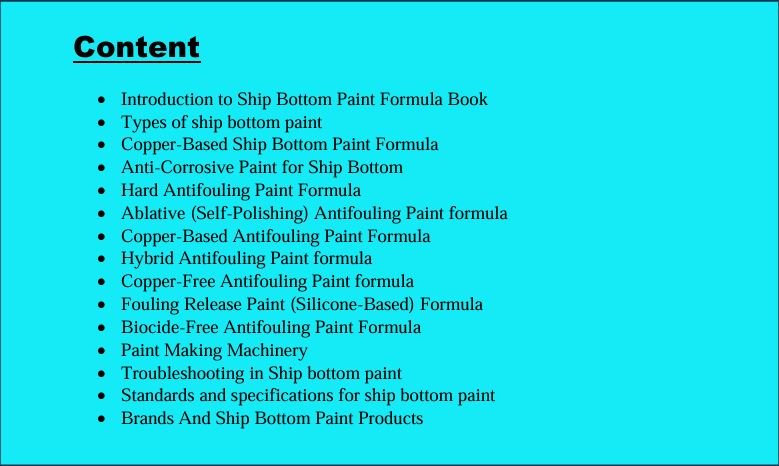
Troubleshooting In Ship Bottom Paint
Troubleshooting issues in ship bottom paint (antifouling paint) is crucial for ensuring effective performance and longevity.
- Poor Adhesion
- Blistering
- Color Fading or Discoloration
- Insufficient Antifouling Properties
- Poor Application Quality
- Drying Issues
- Cracking or Checking
- Poor Cleaning or Maintenance Performance
- Environmental Impact Issues
“If you are encountering challenges in creating a ship bottom paint product , now is the perfect time to invest in our formula guide. Start your own brand by following our simple, step-by-step recipe.”
Formula Guide
Proper application and maintenance of ship bottom paint are crucial to ensure it remains effective in preventing fouling and protecting the vessel’s hull. Regular inspection and reapplication are necessary to maintain the paint’s effectiveness and avoid damage to the hull.
It’s important to note that regulations and best practices regarding ship bottom paint can vary by region . It may be subject to change to align with environmental and health considerations. Ship owners and operators should adhere to local regulations and consult with CFS marine paint professionals to choose the most appropriate formula and compliant antifouling paint for their vessels.
Add to cart this product for complete Ship Bottom Paint Formula and startup your paint business.